

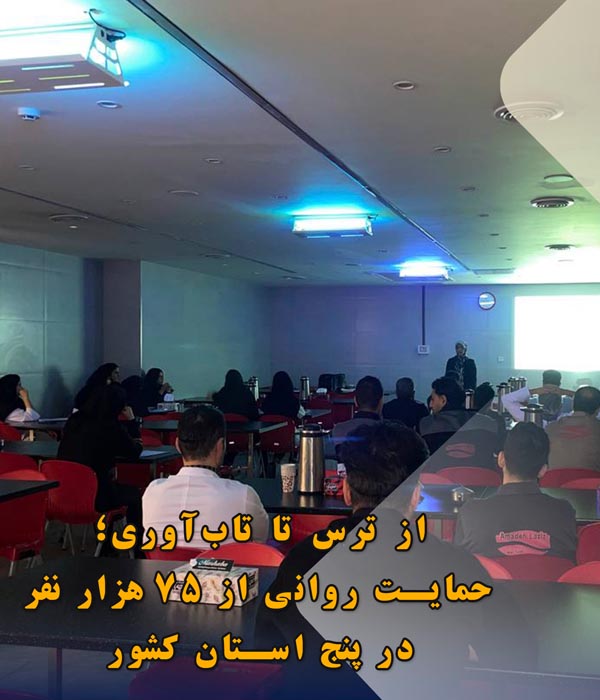
According to the Public Relations Office of the IFDAA, the twelve‑day war between Iran and Israel not only caused physical destruction but also left widespread psychological impacts on children, adolescents, and families. Experiences of fear, the loss of loved ones, and the devastation of living environments can lead to long‑term mental health consequences such as post‑traumatic stress disorder (PTSD), depression, anxiety, and complicated grief. If left unaddressed, these conditions can significantly hinder community recovery and the return to daily life.
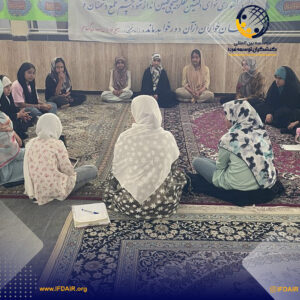
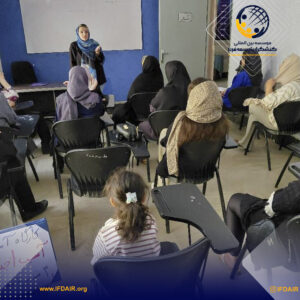
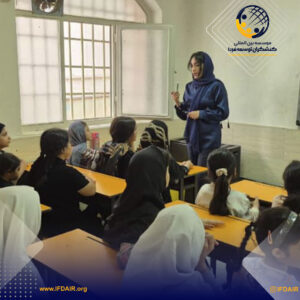
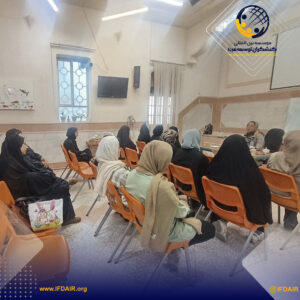
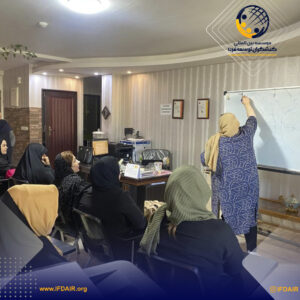
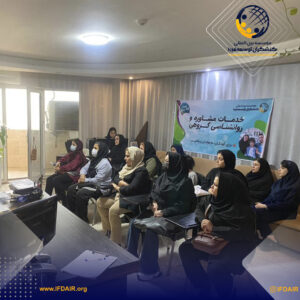
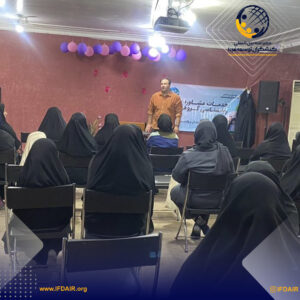
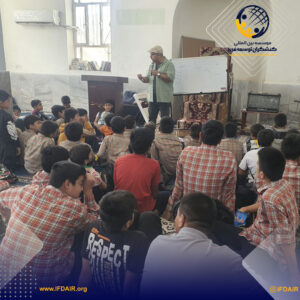
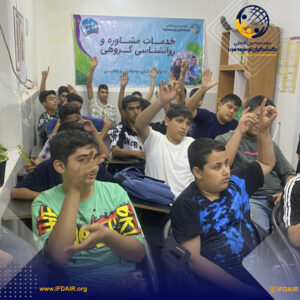
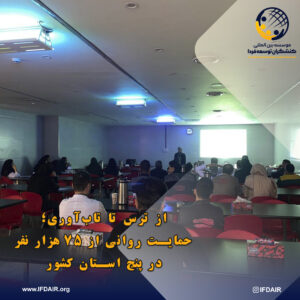
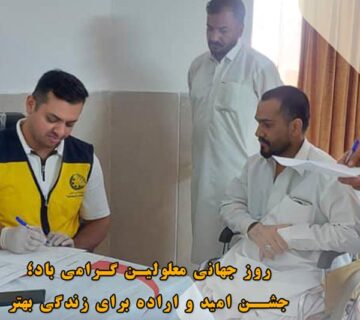
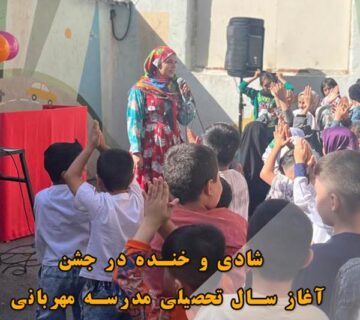
To respond to this urgent need, the IFDAA, with the support of the United Nations Children’s Fund (UNICEF), designed and implemented a project aimed at the psychological and social rehabilitation of affected children, adolescents, and families. The project was carried out in five provinces Tehran, Alborz, Qom, Khuzestan, and West Azerbaijan and nearly 75,000 individuals received group and individual counseling services.
The project focused on several key areas, including preventing the consolidation of post‑war psychological disorders, strengthening community resilience, preserving social cohesion and preventing the erosion of social capital, protecting children and future generations, and facilitating the process of community reconstruction and development.
The target population included children, adolescents, and families across the five provinces, and the services provided played a significant role in reducing the psychological and social harms caused by war and crisis. These efforts highlight the necessity of immediate psychological support following short‑term but intense crises, as neglecting such needs can result in generations affected by long‑lasting mental health challenges and diminished capacity for community recovery.

بدون دیدگاه